Table Of Content
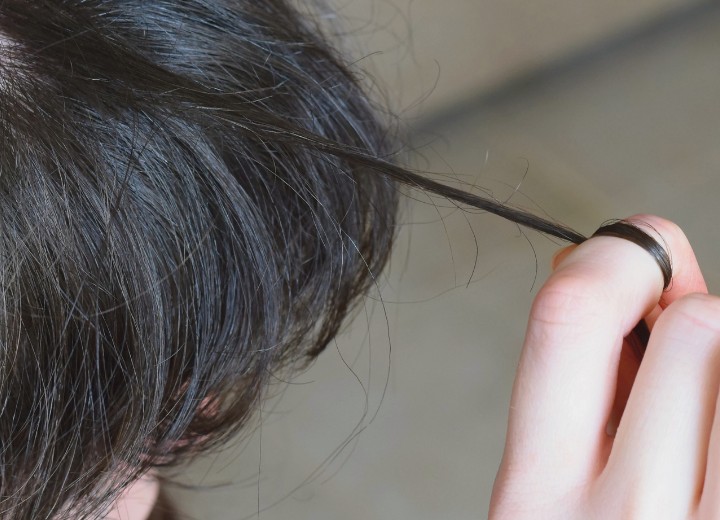
Your doctor or mental health professional can help you figure out which ideas might work best for you. Together, you will come up with a personalized plan to treat your trichotillomania. They will work with you to learn and practice different strategies. According to a 2016 study, the typical age for the symptoms to appear is between 10 and 13 years old. Symptoms usually start with pulling out the hairs on the scalp, which makes the person feel less anxious or stressed.
CASE EXAMPLE OF TRICHOTILLOMANIA THERAPY
Many people with trichotillomania experience anxiety and depression. Make sure to tell your care team if you experience obsessive thoughts, compulsions, anxiety, or fear. Your mental health professional can help you figure out if you have OCD or an anxiety disorder and include helping you feel better in your treatment plan. For many people with trichotillomania, hairpulling is a response to stress, frustration, or boredom. It can feel comforting and give you a place to direct your energy or something to do.
Emotional states
Often trichotillomania also includes picking your skin, biting your nails or chewing your lips. Sometimes pulling out hairs from pets or dolls or from materials, such as clothes or blankets, may be a sign. This can cause a lot of distress and can affect your work, school and social life. Take control of your life and find freedom from hair pulling through professional therapy and evidence-based behavioral techniques. Behavioural therapy can be effective, especially a form of cognitive behaviour therapy (CBT) known as habit reversal training. These therapies may help you identify what prompts your hair-pulling and to work out strategies to avoid the behaviour.
Charlotte – OCD awareness
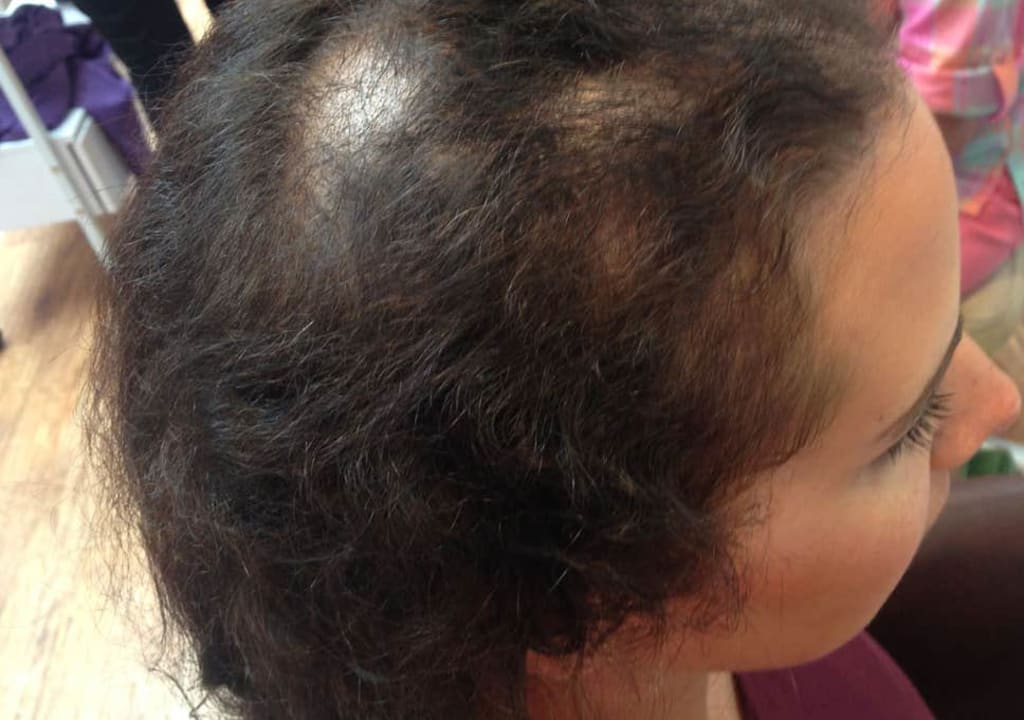
Those affected may try to keep their condition to themselves because of the aforementioned shame or embarrassment. They might send you to a psychiatrist, psychologist, therapist, or other mental health care professional. Your mental health care provider will also ask questions about your hairpulling, your life, and your overall mental health to help figure out what's going on. They may pull hair from other areas like the eyebrows, eyelashes, or any other area on their body that has hair. At first you may see your primary care provider or a specialist in skin disorders called a dermatologist. Your provider may refer you to a mental health professional with experience in diagnosing and treating trichotillomania.
The devices, often used together with mindfulness therapy, help a person become more aware of their hair-pulling behaviors. For example, the wrist wearable may vibrate when the person starts to pull their hair to serve as an awareness reminder and give them a chance to divert their attention or stop the behavior. While hair-pulling disorder cannot be cured, it can be managed with therapy. Even though hair-pulling disorder is classified as an obsessive-compulsive disorder, it is treated differently.
Symptoms
Habit reversal training teaches people to replace hairpulling with another less harmful action. For some people, hair pulling disorder is a mild problem, merely a frustration. The most successful management strategies make use of a variety of therapeutic techniques that address actionable emotional and behavioral components.
Excavating the Meaning of Hair Pulling
“An unfathomable, shapeshifting thing” • Inside Story - Inside Story
“An unfathomable, shapeshifting thing” • Inside Story.
Posted: Wed, 13 Mar 2024 07:00:00 GMT [source]
This creates a cycle of anxiety, hair pulling, temporary relief then anxiety, embarrassment, and hair pulling again. A mental health professional can diagnose trichotillomania based on a clinical evaluation, a person's health history, and testing to rule out other causes of hair loss. For example, your health care provider may recommend an antidepressant, such as clomipramine (Anafranil).
Symptoms of trichotillomania
They may try to camouflage the hair loss by wearing wigs or scarves. Some pull out hair from widely scattered areas to disguise the loss. People may avoid situations in which others may see the hair loss. They typically do not pull hair out in front of others, except for family members.
A wide range of emotions, spanning from boredom to anxiety, frustration, and depression can affect hair pulling, as can thoughts, beliefs, and values. Over time, continuous hair pulling can cause partial or complete removal and loss of the eyebrows and eyelashes. The scalp may also become patchy and have bald spots of varying degrees. So far, studies have shown that people with trichotillomania are more likely to also have ADHD. In one study that looked at people with trichotillomania, almost 1 in 6 also had ADHD.
Adolescents, teenagers and adults with this condition tend to have much more severe problems. People with trich feel an intense urge to pull their hair out and they experience growing tension until they do. Medication is generally not effective in treating trichotillomania. If a person has co-occurring anxiety or depression, a doctor may prescribe an antidepressant.
While the scalp is the most common area for hair pulling, the eyelashes, eyebrows and other facial hair can also be affected. The skin near your eyebrows is sensitive and can easily get hurt from pulling. If you end up with damage to this area, it will be harder for them to grow back, and they might not be able to grow back all the way. In general, it takes about 3-4 months for eyebrow hair to grow, and it might take longer if your hair or skin has been affected by pulling. To help prevent damage, doctors say to pull your eyebrow hair in the same direction it grows and use angled metal tweezers with sharp, skinny points. Tweezers with rubber tips or wide, flat points are rougher on your hair and skin, which makes it harder for eyebrows to grow back.

Trichotillomania affects up to 2 percent of the population, though only about half of those are thought to receive some form of treatment. In cases where your healthcare provider suspects a blockage from swallowed hair, you might also undergo other diagnostic tests. These include imaging tests like a computerized tomography (CT) scan, blood testing for anemia and more. Diagnosing TTM involves a combination of a physical exam, where your healthcare provider looks for visible signs of the condition. They'll also ask questions about your health history, current circumstances and anything else that might have a connection to a medical problem.
The trichotillomania word origin also helps in painting a picture of how the disorder is defined. In Hallopeau’s native French tongue, the word was spelled “trichtillomanie;” the English version of the word is estimated to come into existence sometime between 1900 and 1905. A lot of people will take a look at hair pulling and call it just that – hair pulling. However, if they know hair pulling just by this term, they may not realize that the act is actually symptomatic of a serious disorder that is marked by compulsive urges.
For example, someone who pulls hair in response to tingling skin can put on a topical anesthetic. If a person knows they always pull hair while looking in their bedroom mirror, they could turn said mirror toward the wall. Research into treatments for BFRBs, particularly hair pulling and skin picking, has grown steadily over the past decade. If you regularly give into the urge to pull your hair, see a doctor. Trichotillomania is under-reported because of the shame and embarrassment felt by those who suffer from it. However, getting a proper diagnosis from a doctor can provide you with a treatment plan to help with your symptoms.
They may try to hide their bald patches or hair loss with hats, scarves, or wigs. They might also wear false eyelashes or use makeup to try to cover up the physical effects of trichotillomania. Some people will stay at home or avoid social situations if they are self-conscious about their hair loss or pulling. Trichotillomania is a condition characterized by a compulsive urge to pull out one’s hair. As with skin picking, an additional element of therapy may be introduced to help patients with Trichotillomania, a technique called habit reversal training.


No comments:
Post a Comment